Cool roof rules when you reroof in Sacramento
California's Title 24 energy code can require a cool roof when you replace or recover a roof. This guide explains solar reflectance, thermal emittance and how to plan a reroof so it passes.
Updated November 2026, 6 minute read
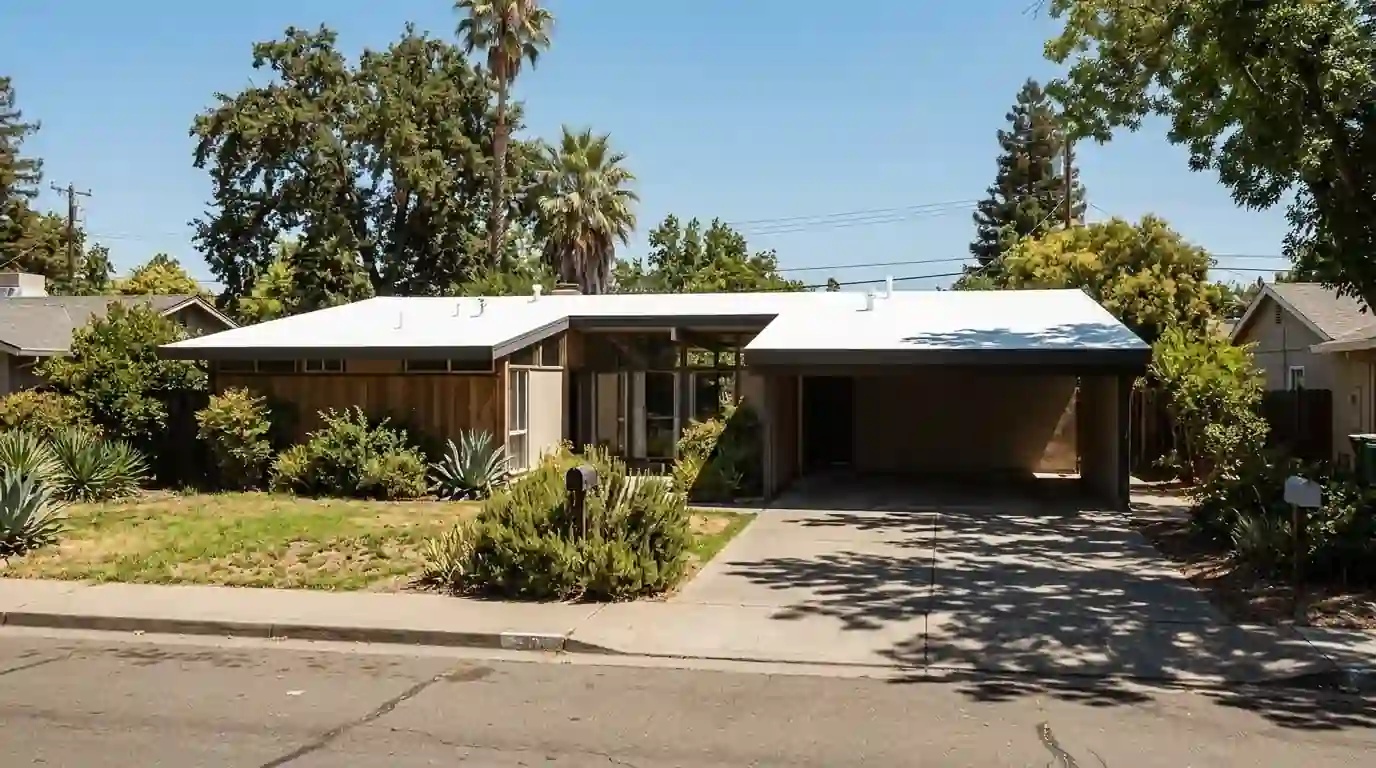
- Title 24 cool roof rules may apply when more than a small area is reroofed.
- Reflectance and emittance are measured on rated products, not guessed.
- Low-slope and steep-slope roofs follow different cool roof requirements.
- Ask your roofer which rated product is going on before work starts.
What Title 24 is trying to do
Title 24 is California's building energy code. Part of it deals with the building envelope, which includes the roof, because a hot roof pushes heat into the building and raises air conditioning load. In a valley that often passes 100 degrees in July and August, a roof surface can reach well above 150 degrees if it is dark and uninsulated. The code also tries to reduce the strain on the grid at peak hours. Hot afternoons in the Central Valley drive electricity demand, and a reflective roof lowers the cooling load in exactly those hours, which is part of the reason the rules exist.
Cool roof requirements address that by asking for roofing that reflects more sunlight and gives off heat well. The rules are updated on a cycle, and local building departments in Sacramento, Elk Grove, Roseville and Folsom apply the version in force when your permit is issued. Because building departments adopt the energy code on a set schedule, a roof permitted today may fall under different numbers than the same roof permitted three years ago.
Solar reflectance and thermal emittance in plain terms
Solar reflectance is the share of sunlight a roof surface bounces back, shown as a number between 0 and 1. A bright white coating reflects much more than dark asphalt. Thermal emittance is how readily the surface releases absorbed heat as infrared. Most roofing materials score high on emittance, but bare metal is a notable exception. Light roofs also shed heat faster at night, which matters in the valley where evenings cool quickly with the Delta breeze. That is the thermal emittance side of the equation, and it is why a bare metal roof can be a poor performer despite looking shiny.
Some products are rated by a combined number called solar reflectance index, which blends both properties. What matters for permitting is that the rating comes from a recognized listing, often the Cool Roof Rating Council directory, and that aged values are used because reflectance falls as a roof weathers. Look for the aged reflectance on the label or the rating directory, not only the initial value. Two coatings with the same starting number can behave very differently after three years of dust and sun.
When a reroof triggers the requirement
The rules can apply when a roof is replaced, recovered or substantially altered, and the thresholds depend on how much of the roof area is touched. A small repair is generally treated differently from a full reroof. Whether insulation is added, whether the roof is low-slope or steep-slope, and the building type also change what is required. If you only repair a portion of the roof, that portion can still fall under the rules in some situations, so do not assume a small job is exempt. Ask the building department what they treat as a reroof.
We do not quote exact numbers here because they depend on the code edition and the climate zone, and they change. The reliable way to know is to ask the city building department or have your roofer confirm before pulling the permit. Climate zone matters too, because the Sacramento area sits in a zone with hot, dry summers, and the code is stricter in zones where cooling load is the larger concern. The right answer is in the permit paperwork for your address.
How low-slope and steep-slope roofs differ
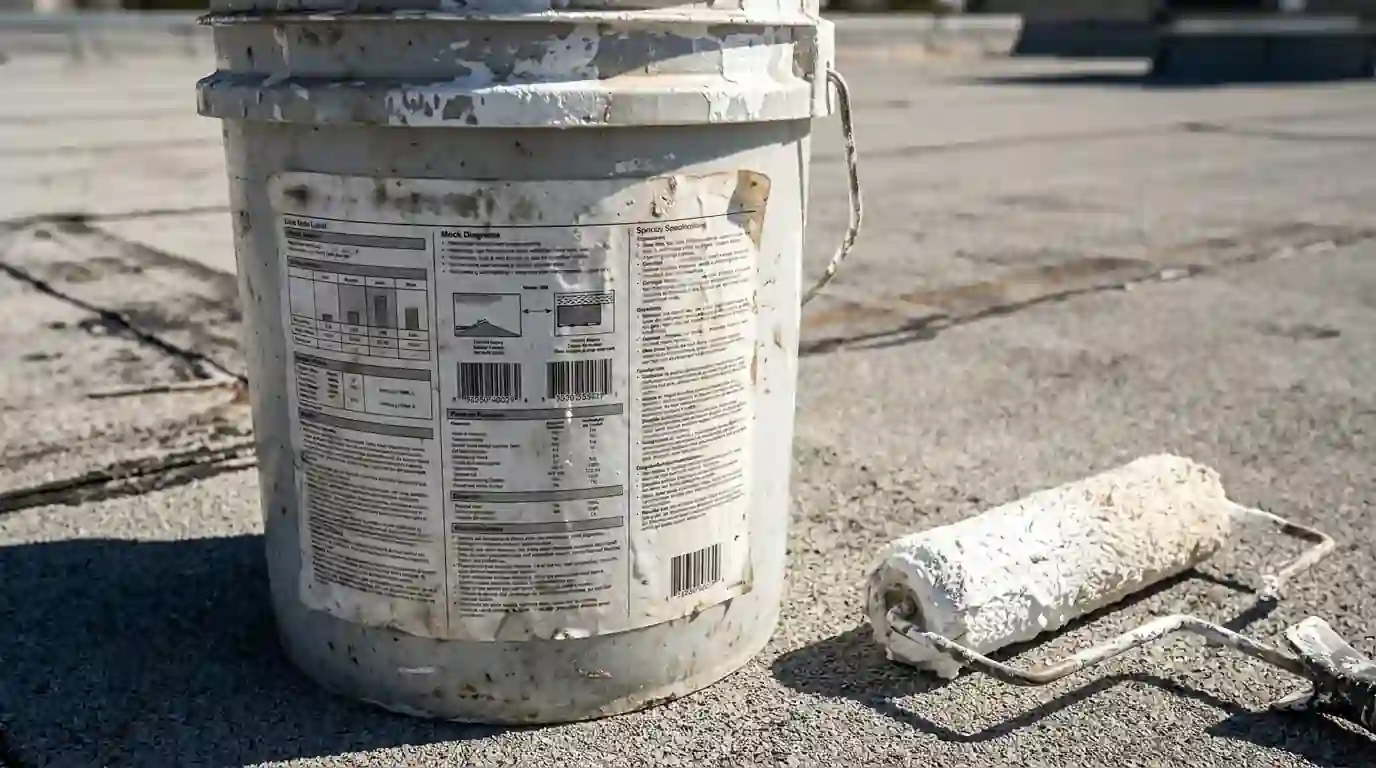
Low-slope roofs, common on mid-century homes and commercial buildings across Sacramento, are where cool roof coatings and white membranes fit most naturally. A spray foam roof with a white silicone or acrylic top coat usually meets the intent when the coating product is rated for the needed reflectance and emittance. Some owners also qualify for utility incentives on cool roofs, which come and go, so check with SMUD for current programs before work starts rather than assuming an incentive exists.
Steep-slope roofs, like shingle and tile, use rated cool shingles or tile with reflective finishes. Some tile and metal products come in cool colors that look dark but use special pigments to reflect more infrared. These are labeled and listed, so ask for the product data sheet. A coating that meets the rating at its required thickness only meets it when applied at that thickness. Thin application can lower the real reflectance and the warranty at once, so ask about mil thickness in writing.
Planning a reroof so it passes
Before the job, confirm four things with your roofer: what product is being installed, whether it is rated for reflectance and emittance, whether its aged values are listed, and who is handling the permit paperwork. Keep the product data sheet and any compliance forms with your records. Keep the paperwork organized: permit, product sheet, invoice and photos. If you later sell the building, a buyer's inspector may ask for the cool roof documentation, and having it ready avoids delays.
Inspectors may check the label on a roll, a bucket or a bundle. Switching products on the day because of supply problems is where reroofs get into trouble, so confirm any substitute is also rated before it goes on the roof. Some jurisdictions also allow alternatives to a prescriptive cool roof, such as added insulation, under a compliance path. That is a design question for the plans, and it is worth asking before a more expensive choice is made.
- Product name and rated reflectance and emittance
- Aged value listing in a recognized directory
- Roof slope category and climate zone
- Permit and inspection schedule
- Data sheet saved for your records
Beyond compliance: what a cool roof does for you
A rated cool roof lowers the surface temperature, which reduces heat gain and cuts strain on cooling equipment. In the Sacramento area, the benefit is largest on flat roofs over occupied space, and it adds up for businesses with large roofs and SMUD time-of-use rates in summer afternoons. For businesses, the savings are easy to see. A large flat roof on a retail center or warehouse can add a lot of heat to the space below, and a reflective roof has been a common choice for owners trying to hold cooling bills down.
Cool roofs also slow thermal expansion, which helps membranes and seams last longer. It also helps to keep the roof clean. A wash once a year during dry months restores some of the lost reflectance and costs little compared with the electricity it can save. If you are planning a reroof and want to know which options meet current rules, call Mountainside Foam & Coating at (916) 963-8097 and we will go over rated products for your roof type.
Questions readers ask
Does a cool roof have to be white?
No. White gives the highest reflectance, but many rated shingles, tiles and metal panels come in tan, gray and darker tones that use infrared-reflective pigments. They reflect less than white, so they may meet some requirements and not others, depending on the roof slope category. Rules like this get revised, so the version your roofer worked under on the last job may not be the one that applies now.
Why does aged reflectance matter more than the new value?
Dirt, UV and weather lower reflectance over the first few years, so codes rely on aged ratings that estimate performance after weathering. A coating that looks brilliant on day one but drops quickly is not as useful as one with a good aged value. Ask for the product's rating listing number if you want to confirm it yourself, since the directory is public and searchable.
Do I need a separate permit for a coating over an existing roof?
Often yes, since a roof coating is treated as roofing work in many jurisdictions and can fall under the energy code. Rules differ by city, so the safest step is to confirm with the local building department or ask your roofer how they handle permits. That is why a quick call to the permit counter before the job starts is cheap and worth doing, since staff can tell you exactly what they want to see.
Roof leaking, peeling or baking in the sun?
Call the 24/7 line. Tell us the roof type, where the water shows up or what the coating looks like, and we will tell you what we would check first and when a crew can be there.