Roofs built to resist embers
Fire-resistant roofing in Sacramento, CA
In foothill towns near the Sierra, wind-blown embers landing on a roof or drifting into a vent are a bigger risk than flames, and the roof assembly is the first defense.
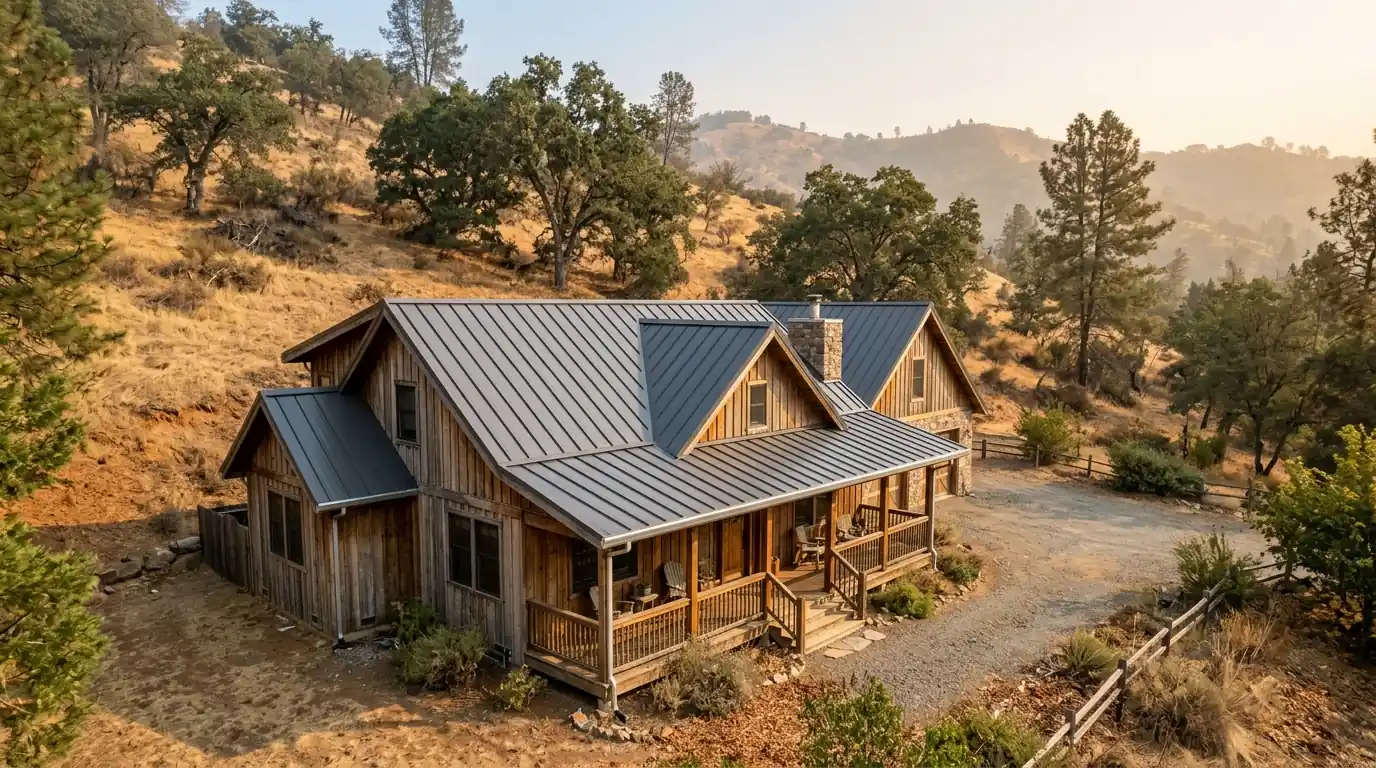
Fire-resistant roofing uses Class A rated assemblies, noncombustible materials and ember-resistant vents to slow ignition from wind-blown embers. Options include metal, concrete or clay tile and Class A shingles. Typical pricing runs 6.80 to 17.40 per sq ft installed, and most homes take three to seven working days.
What this job involves
Wildfire embers can travel a long way and ignite debris in gutters, dry needles on a roof or foam and wood inside an attic vent. A roof rated Class A has passed a standard test for resistance to fire spread from the outside, and the assembly, not just the top material, matters. Underlayment, decking and edge details all play a part.
The Sacramento valley itself has lower exposure than the foothills, but towns like Auburn, Placerville, Cameron Park and El Dorado Hills sit in or near wildland-urban interface (WUI) zones where California building code requires fire-rated roofs and ember-resistant vents for new construction and often for reroofs. We help match the assembly to the property, and we flag details that homeowners often miss: gutters, vent openings, roof-to-wall gaps and debris pockets.
When to upgrade to a fire-resistant roof
Untreated wood shakes and aging organic shingles ignite easily. Replacing them is one of the most effective fire safety upgrades a foothill home can make.
Standard vents let embers into the attic, where dry framing and insulation can catch. Ember-resistant vents use fine mesh or baffles to block them.
Dry needles and leaves collect where roof planes meet and in gutters. A small ember can ignite them and spread to the eave.
A reroof is the best moment to upgrade the full assembly, including underlayment, edge metal and vents, to a rated system.
Insurers in higher-risk areas ask about roof class and vent type. A documented Class A assembly can help with those conversations, though outcomes vary by carrier.
Branches overhanging the roof and needle drop add fuel. Trimming, cleaning and a rated roof together reduce the risk.
Class A assemblies and materials
Roof fire ratings run Class A, B and C, with Class A the highest. Concrete and clay tile, metal roofing and many fiberglass-based composition shingles can achieve Class A, sometimes depending on the underlayment used. Some products only reach Class A as part of an assembly with a specific cap sheet or underlayment, so the whole system has to be installed as tested.
Metal roofing is noncombustible and sheds debris. Tile is heavy and durable, but gaps under the tiles need bird stops and closures. Fiberglass shingles with a Class A rating are a more economical option.
- Metal roofing: noncombustible
- Concrete or clay tile with closures
- Class A fiberglass shingles
- Cap sheet or fire-rated underlayment
- Coated Class A flat roof systems
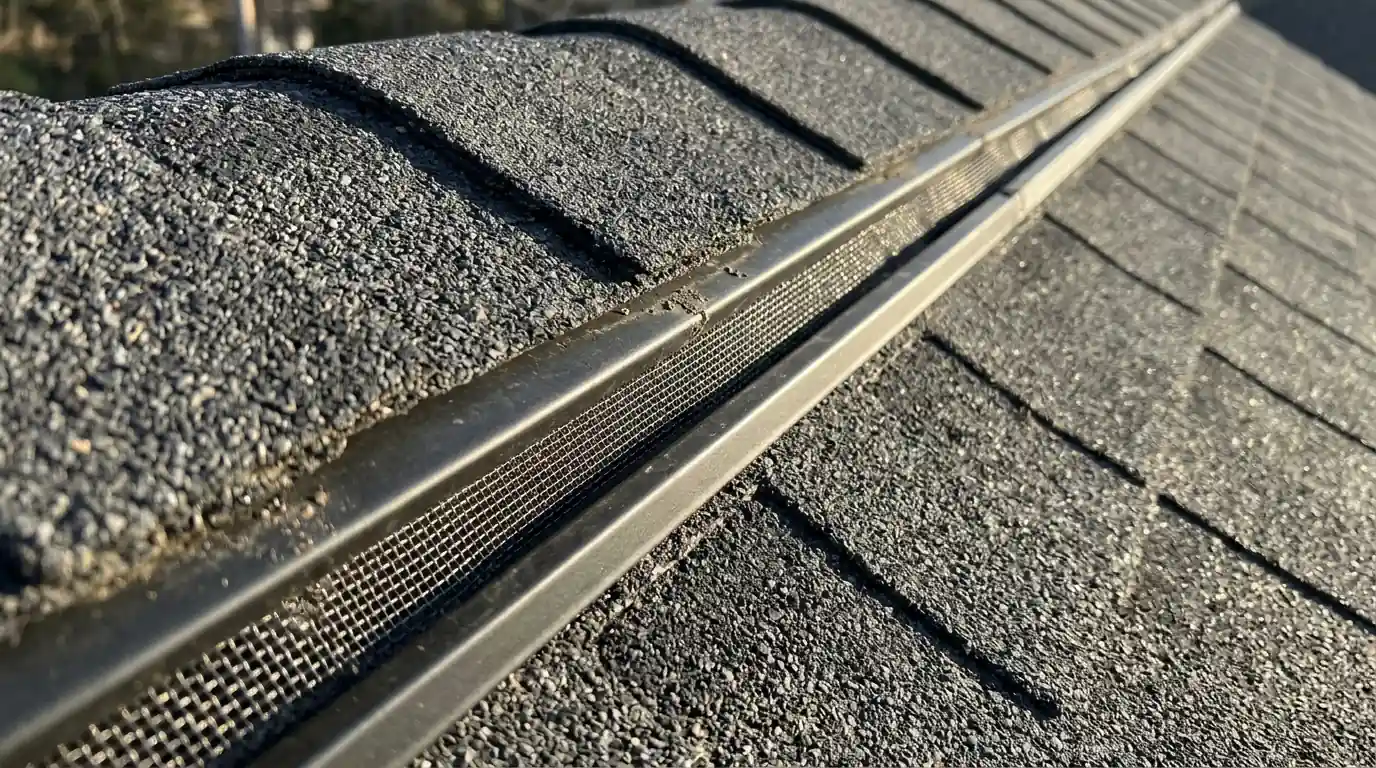
Vents, gutters and edges
Ember-resistant vents use fine metal mesh, often 1/8 inch or smaller, or baffled designs that block embers while still passing air. We replace standard ridge, soffit and gable vents with rated types and keep the balance of intake and exhaust in mind.
Gutters should be noncombustible, such as aluminum or steel, and kept clear. Roof-to-wall joints, eave gaps and the first few feet of roofing near the edge deserve extra attention because embers pile up there.
Flat roofs, foam and coatings near fire zones
Spray polyurethane foam is combustible on its own and relies on its protective coating and assembly to meet fire ratings. Some foam and coating systems carry Class A ratings when installed as tested. We choose only assemblies that match code for the building and tell you plainly where a different system is the better choice.
For flat roofs in foothill zones, we can propose coated or membrane systems with Class A ratings, and we handle penetrations carefully, since gaps around them let embers in.
Our process for fire-resistant roofing
Six steps, in the order the crew does them on a Sacramento roof.
- Step 1Site and zone review
We look at the property's location, vegetation, roof type and local code, and note whether it sits in a WUI or high-risk zone.
- Step 2Inspect the full assembly
We check roofing, underlayment, deck, vents, gutters and edge details to find combustible materials and weak points.
- Step 3Select a rated system
We recommend a Class A assembly matched to the home, with typical price ranges for metal, tile and shingle options.
- Step 4Tear off and prepare
Old roofing is removed, the deck is inspected and repaired, and fire-rated underlayment or cap sheet is installed as specified.
- Step 5Install roofing and vents
The new roof goes on with noncombustible edge metal, ember-resistant vents and sealed penetrations, installed as the manufacturer tested.
- Step 6Clean-up and care notes
We clear the site, give you maintenance tips for gutters, valleys and vents, and keep product records for your files.
What fire-resistant roofing costs in Sacramento
A 2,100 sq ft foothill home with a Class A composition shingle roof and new ember-resistant vents typically costs around 9.10 to 11.60 per sq ft.
- Material chosen
- Roof pitch and complexity
- Vent and gutter replacement
- Deck repair or tear-off layers
Compare this job with others in the Sacramento roofing cost guide.
Sacramento conditions that matter
Valley neighborhoods in Sacramento face lower fire exposure, but ember risk rises quickly toward the foothills. Auburn, Placerville, Folsom's eastern edges, El Dorado Hills and Cameron Park have dry grass, oaks and pines, and hot, dry summer winds. Fire season typically runs from late spring into fall. California's WUI building rules can require Class A roofs and ember-resistant vents for new work in mapped zones, and local fire agencies may have additional guidance. Defensible space around the house matters as much as the roof, and cleaning the roof and gutters regularly is a basic part of fire safety.
Questions about fire-resistant roofing
What does Class A fire rating actually mean for a roof?
Class A is the highest rating in the standard fire test for roof coverings, meaning the assembly resists severe exposure from burning brands and limits flame spread. Some materials reach Class A only with a specific underlayment or cap sheet, so the whole assembly matters, not just the top surface.
Do I need ember-resistant vents if I have a Class A roof?
Usually yes. A Class A roof covering does not stop embers from entering the attic through open vents. In WUI areas, code often requires vents with fine mesh or baffled designs. We replace ridge, soffit and gable vents while keeping the attic airflow balanced.
Is a metal roof the best option for fire resistance?
Metal is noncombustible and performs well, but fire safety depends on the whole assembly: underlayment, vents, gutters and edges. Tile and Class A shingles can also perform well. The best choice depends on budget, style, roof structure and the weight the framing can carry.
Can a foam roof be fire-rated?
Some spray foam and coating systems carry Class A ratings when installed exactly as tested, with the specified thickness and coating. Foam by itself is combustible, so we check the listing for the specific system and building before recommending it in a higher-risk area.
Does a fire-resistant roof lower my insurance premium?
Possibly, but not guaranteed. Some carriers consider roof class and vents in underwriting, others look at location and defensible space. We provide product documentation and photos of the assembly, which you can share with your agent to ask what applies.
Roof leaking, peeling or baking in the sun?
Call the 24/7 line. Tell us the roof type, where the water shows up or what the coating looks like, and we will tell you what we would check first and when a crew can be there.