Roof letters for home sales
Roof certification in Sacramento, CA
Your buyer, agent or lender wants a document saying the roof will not leak, and escrow will not wait while you figure out who writes it.
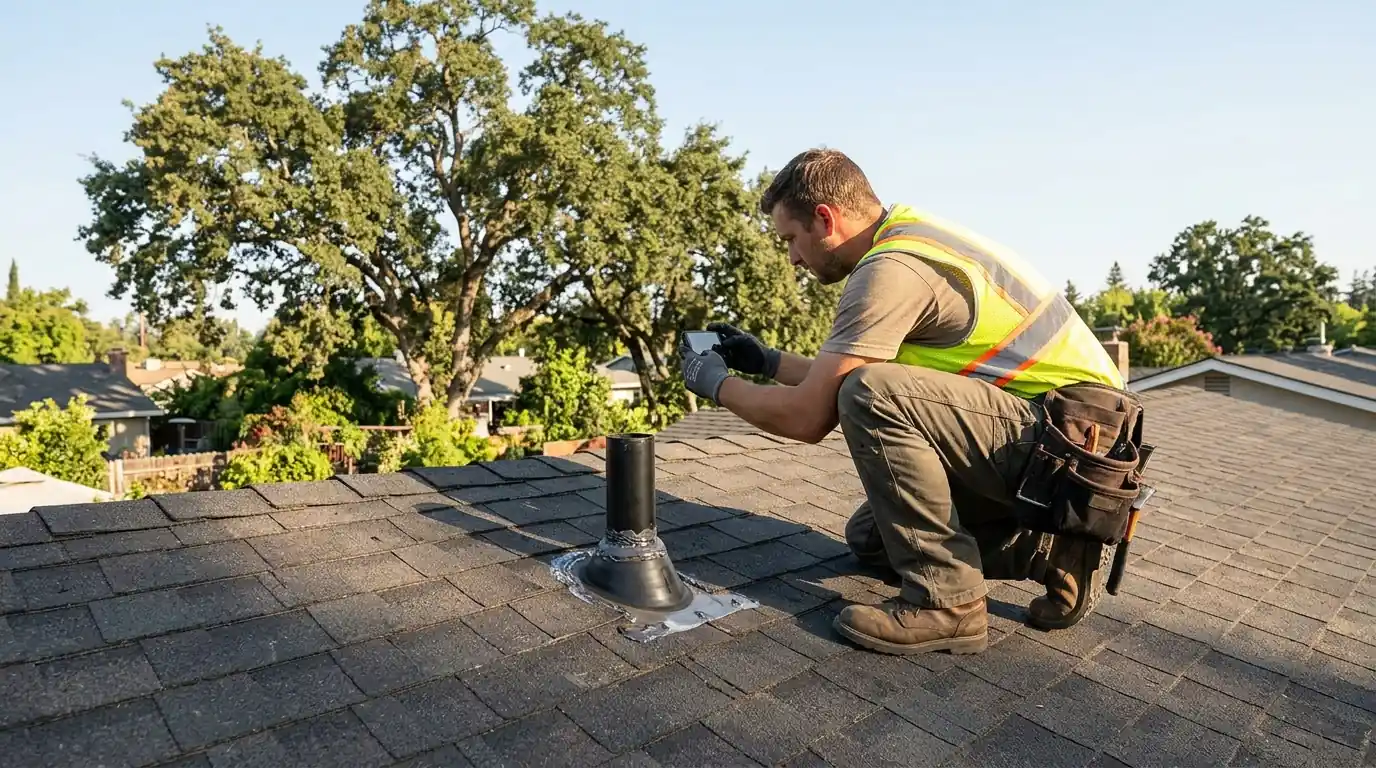
A California roof certification is an inspection plus any needed repairs, followed by a letter stating the roof should stay free of leaks for a stated term, commonly 1 to 5 years depending on condition. Most take one visit of 45 to 90 minutes. The letter and inspection typically run 185 to 745 per job, with repairs priced separately.
What this job involves
The word certification causes confusion. Here it is simply the name of the document. A roofer inspects the roof, fixes what is leaking or about to leak, and then writes a letter giving the roof's condition and a time period during which it should be leak-free. A newer roof in good shape may earn five years. A tired roof with repairs made may get one or two. The letter is an opinion based on the visit, not a warranty from the manufacturer.
Buyers and their agents ask for these letters, and lenders sometimes do when the appraiser flags the roof. In the foothills, insurers also ask about roof age and condition before they write or renew a policy, and a recent letter helps answer those questions. Mountainside inspects the roof first, tells you what it needs, and prices any repair before the letter is written.
When a roof certification makes sense
A buyer's inspection report often recommends a roofer's evaluation. Ordering the letter early gives you time to repair items instead of negotiating a credit.
Older shingle and tile roofs raise questions from buyers and lenders. A written condition report with photos answers them with facts instead of guesses.
Phrases like near end of life, active staining or damaged flashing in a home inspection usually lead to a request for a roofer's letter.
Foothill and wildfire-area insurers increasingly ask for roof age, material and condition. A current report from a roofer gives you something to send them.
Additions, patio covers and mid-century flat roofs get extra scrutiny. Ponding and worn membrane are common reasons a letter is refused until repairs are done.
Patches made years ago may have been done well or poorly. A fresh inspection documents what is sound and what needs redoing before a buyer finds it.
What fails a roof for certification
Active leaks and wet decking fail first. Beyond that, we look for conditions that will leak soon: cracked or missing shingles, slipped or broken tile, dried-out pipe boots, rusted or open flashings, lifted seams on flat roofs, ponding that stays after a day of dry weather, and soft or rotted sheathing. Granule loss on shingles is judged by degree, since a little is normal. A roof near the end of its life can still earn a letter if the repairs are sound and the remaining service life fits the term. We will not write a five-year letter for a roof we expect to fail in two. If a roof cannot reasonably be signed off, we say so and give you repair and replacement options with prices.
- Active or recent leak stains
- Cracked, curled or missing roofing
- Failed flashings and pipe boots
- Open seams, blisters or ponding on flat roofs
- Rotted sheathing or fascia
Timing during escrow
Most escrows give a short window for repairs after the buyer's inspection, often a matter of days to a couple of weeks. Call as soon as the report lands. A typical sequence is inspection on the first visit, a written estimate that day or the next, repairs within a few working days when weather allows, then the letter once the work is done. Rain is the main scheduler between November and March. Roofers cannot seal flashings or apply coatings on a wet surface, so winter jobs take extra slack. If the repair scope is small, a letter can sometimes be issued the same day the work is finished.
How it differs from a home inspection
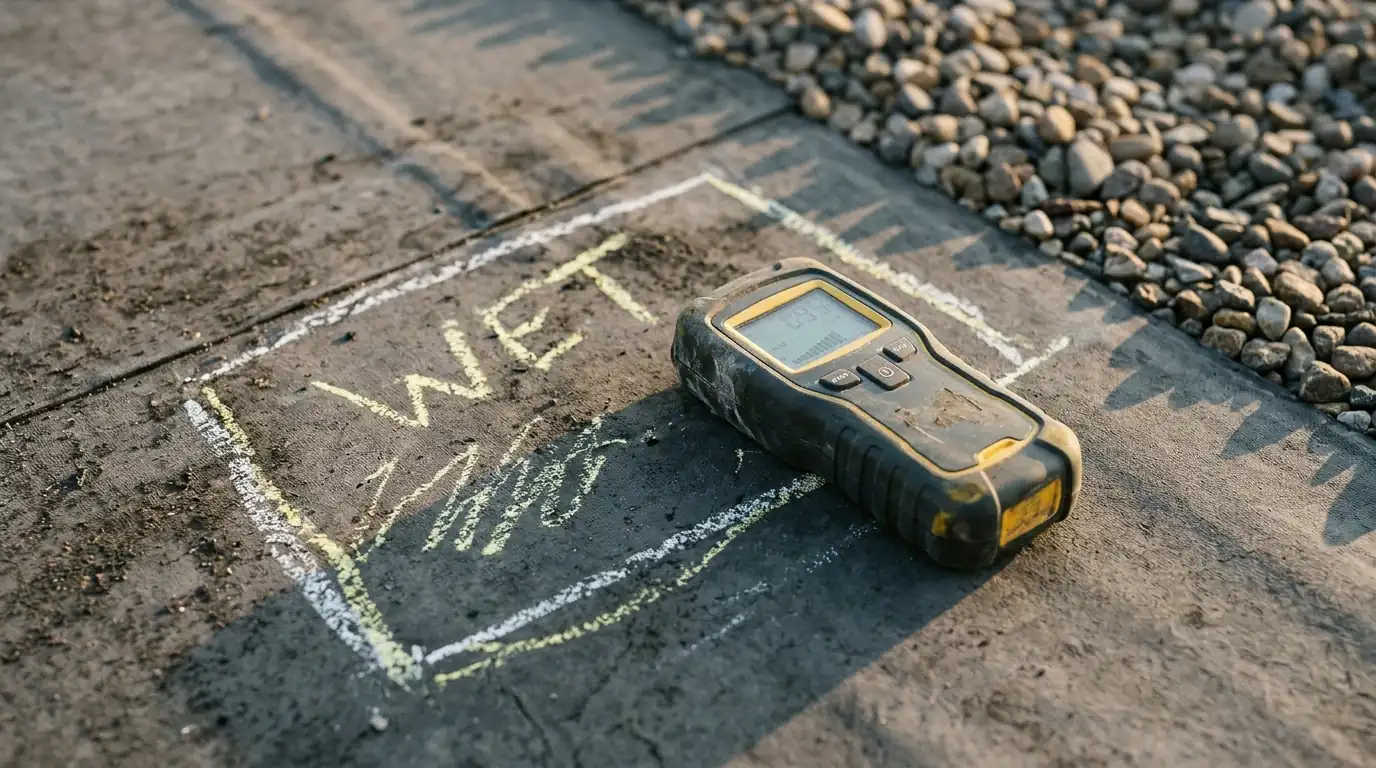
A general home inspector looks at the whole house in a few hours and spends a short time on the roof, often from a ladder or by drone. A roofer's evaluation is narrower and deeper. We walk the surface, probe suspect spots, check the attic side and, on low-slope roofs, can use a moisture meter or infrared scan to find wet insulation. The home inspection says whether the roof looks like a problem. The roofer's letter says what was found, what was fixed and how long we expect it to stay watertight. Neither is a guarantee, and neither replaces regular maintenance after the sale.
Our process for roof certification
Six steps, in the order the crew does them on a Sacramento roof.
- Step 1Schedule the roof visit
Give us the property address, roof type and escrow dates so we can plan the visit and any repair time around your deadlines.
- Step 2Full roof inspection
We walk the roof, photograph every finding and check penetrations, flashings, valleys, drainage and the attic or ceiling underside.
- Step 3Written findings and price
You get a plain list of what must be repaired for the letter and what is optional, with a firm price for each item.
- Step 4Repair the failing items
Crews fix the leaks and weak points. On flat roofs that may mean foam repair or coating at seams and penetrations.
- Step 5Final check of repairs
We confirm each repair is sealed and sound, and recheck any area that was wet or stained at the first visit.
- Step 6Issue the roof letter
The letter states roof type, condition, work done and the leak-free term we can support, with photos attached for the file.
What roof certification costs in Sacramento
A single-story shingle home with a clean inspection and no repairs typically lands around 295 to 395 for the inspection and letter.
- Roof size and pitch
- Roof type and access
- Number of repairs needed
- Term of the letter requested
Compare this job with others in the Sacramento roofing cost guide.
Sacramento conditions that matter
Sacramento sales run on tight escrow calendars, and roofs here take a beating from 100 degree summers and a wet November to March. Heat dries pipe boots and sealants, and the first big storm of the season often exposes weak spots right when buyers are looking. Mid-century homes in Sierra Oaks and Carmichael may carry old built-up or flat sections, and 1990s tract homes in Natomas and Elk Grove often have concrete tile with aging underlayment. In foothill communities like Auburn and El Dorado Hills, insurers focus on roof age and fire-resistant materials, so an up-to-date condition report matters more.
Questions about roof certification
How long does a roof certification letter last?
The term is set by the roofer based on condition, commonly 1 to 5 years. A newer roof in good shape may get the longer term. An older roof that needed repairs usually gets a shorter one. The letter is a professional opinion for the sale, not a manufacturer warranty, and it does not cover storm damage or neglect.
Who pays for roof certification in a home sale?
It is negotiable. Sellers often order the letter to avoid surprises and keep the sale moving, while some buyers request it and split or cover the cost. Repairs found during the inspection are typically the seller's cost unless the contract says otherwise. Your agent or escrow officer can tell you what the purchase agreement says.
Can an old roof still get a roof certification?
Often yes, if it is dry and the repairs are sound. Age alone does not decide it, condition does. A 25-year-old tile roof with good tiles and fresh underlayment at the weak spots may pass, while a 12-year-old shingle roof with hail or foot-traffic damage may not. The term may be shorter on older roofs.
What happens if my roof fails the certification inspection?
We give you a written list of what failed and what each fix costs. Many roofs pass after targeted repairs such as new flashings, sealed penetrations or foam repair on flat sections. If repairs would cost more than they are worth, we explain replacement or recoating options so you can decide before escrow closes.
Will a roof certification help with homeowners insurance?
It can help. Insurers in fire-prone foothill areas often ask about roof age, material and condition, and a dated report with photos gives you a clear answer. It does not guarantee coverage or a lower premium, since each insurer sets its own rules, so check with your agent about what they will accept.
Roof leaking, peeling or baking in the sun?
Call the 24/7 line. Tell us the roof type, where the water shows up or what the coating looks like, and we will tell you what we would check first and when a crew can be there.