Architectural shingles, installed right
Asphalt shingle roofing in Sacramento, CA
A shingle roof lasts only as long as its underlayment, nailing and flashing allow, and valley heat shortens that life when the install is rushed.
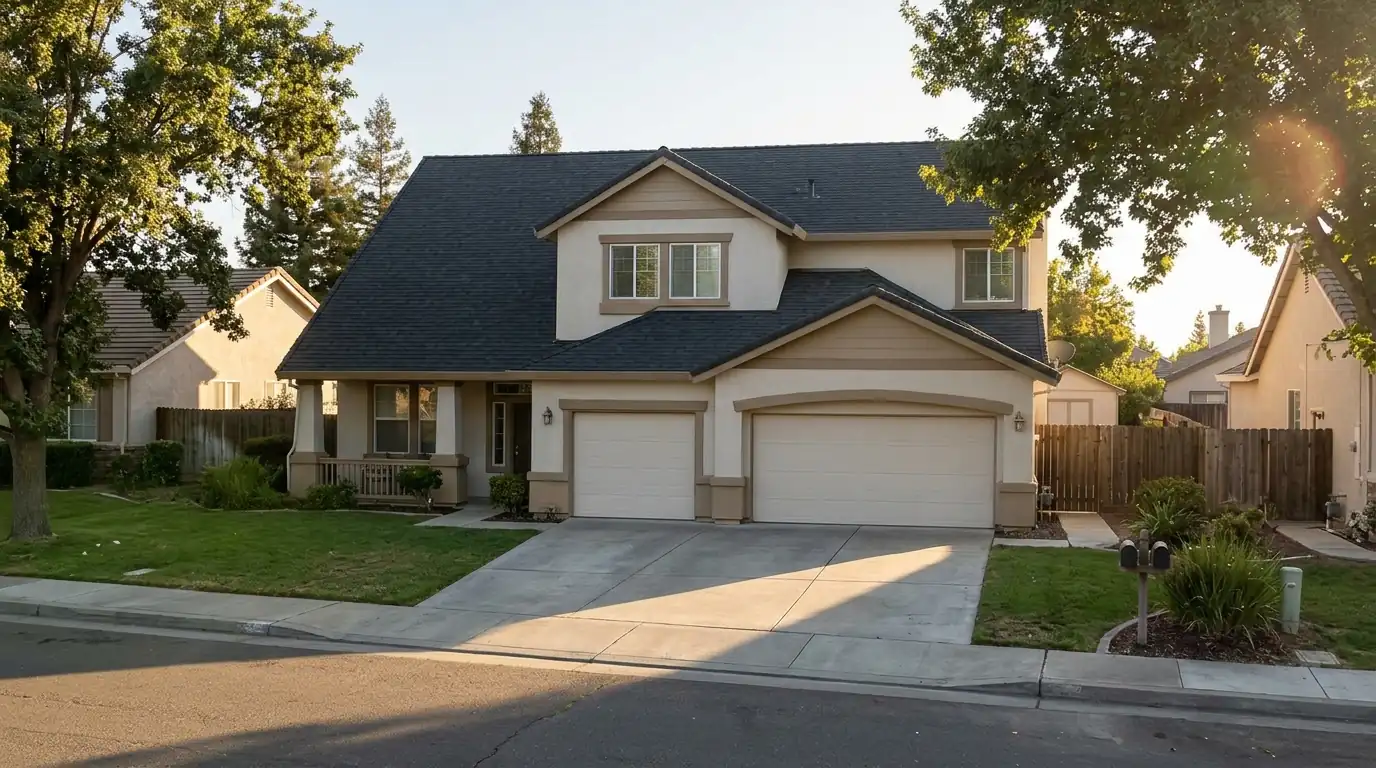
Asphalt shingle roofing is the most common steep-slope roof in Sacramento. Architectural shingles typically cost 4.90 to 9.30 per sq ft installed, or about 8,900 to 21,500 for a typical home, and take one to three days. Quality depends on underlayment, nailing, flashing and ventilation, not just the shingle brand.
What this job involves
Asphalt shingles are fiberglass mats coated in asphalt and covered with mineral granules. They come in three-tab and architectural (laminated) styles, and architectural shingles are what we install on most homes. They are thicker, resist wind better and look more natural. Premium impact-resistant and Class A fire rated products are also available for foothill and higher-risk properties. The visible shingle is only one layer of a roof system, and the quality of the install matters as much as the product on the bundle wrapper, so we spend time on the parts you do not see from the street.
What matters most is everything under and around the shingle. Synthetic underlayment lasts better than felt in valley heat. Starter strips seal the eaves, valley flashing carries water off the roof, and hip and ridge caps finish the high points. We install each of these as part of a complete system, along with proper attic ventilation, since heat trapped under the roof shortens shingle life considerably. Good airflow protects the whole roof.
Signs your shingles are due
Shingle edges that turn up or bow in the middle have dried out. Wind lifts them easily, and water can run behind them.
Exposed black mat and heavy granules in the gutters show the surface is gone, leaving asphalt unprotected from sun. Check gutters after every storm.
Cracks and splits appear when shingles have aged and lost flexibility, often most visible on the south and west slopes.
Algae streaks are mostly cosmetic, but moss lifts shingle edges and holds moisture, particularly on shaded north slopes. Moss can lift shingle edges over time.
Even without obvious failure, shingles in valley heat commonly show wear by 18 to 25 years, and an inspection tells how much is left.
Leaks in valleys and at wall intersections often trace to old valley metal or flashing that has rusted or lifted.
Shingle types and ratings
Three-tab shingles are thinner and cheaper, but have shorter life and lower wind resistance. Architectural shingles have a thicker laminated build and better wind and impact ratings. Class A fire rated shingles are the standard for fire-prone zones, and many architectural lines carry a Class A rating when installed over the right underlayment. Light-colored or cool shingles reflect more heat and can help meet Title 24 requirements where they apply. Color matters for heat, too. Darker shingles absorb more sun, and lighter blends can run cooler.
- Three-tab: lower cost, shorter life, less wind resistance
- Architectural: thicker, better wind rating, most popular
- Class A fire rated systems for foothill and wildfire-prone areas
- Cool-color shingles that reflect more heat than standard dark colors
Getting the install details right
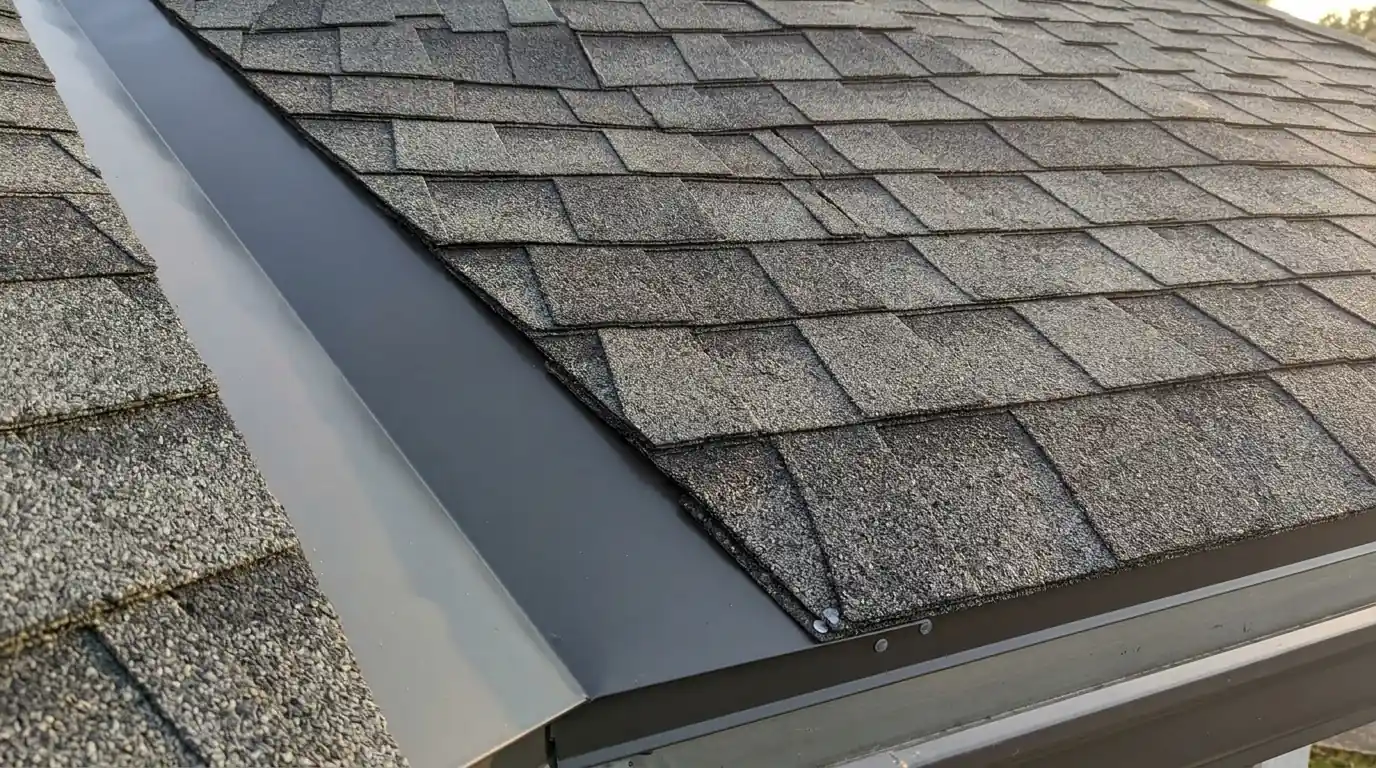
We start with deck inspection, then install drip edge, synthetic underlayment, and metal valley flashing. Ice-and-water shield is not needed across the Sacramento valley, but valleys and penetrations still need proper flashing. Shingles are nailed in the manufacturer's nailing zone, with four to six nails per shingle depending on slope and wind exposure. Starter strips at eaves and rakes seal the edge against wind. Ridge and hip caps are cut from proper cap shingles, not field shingles, so they bend without cracking.
Ventilation and the roof life
Attic heat is the silent shingle killer. A poorly ventilated attic can push roof deck temperatures well above what the air reads, baking shingles from below. We balance intake at the eaves with exhaust at the ridge, and sometimes add or replace vents during reroofing. Better ventilation lowers cooling costs and helps shingles reach their full life. It is a small cost during replacement and a big gain over the roof life. We calculate vent area against attic floor space, so the ventilation matches the house, not a one-size guess.
Our process for asphalt shingle roofing
Six steps, in the order the crew does them on a Sacramento roof.
- Step 1Inspect roof and attic
We check shingle condition, deck, ventilation and flashing, and decide between repair and a full reroof. We also photograph each slope for your records.
- Step 2Pick shingle and color
You choose a style and color with guidance on wind rating, fire rating, heat reflectivity and HOA or code rules.
- Step 3Tear off and fix deck
Old shingles and felt come off, and any soft or split decking is replaced, with nails reset and the deck cleaned.
- Step 4Install edges and underlayment
Drip edge, synthetic underlayment, starter strips and metal valley flashing go on before any shingles. Every layer is checked before the next goes on.
- Step 5Lay shingles and caps
Shingles are nailed in the correct zone, then hip and ridge caps are installed and all vents and boots are flashed.
- Step 6Inspect and clean up
We check nailing and laps, clear gutters, run a magnet over the yard and review warranty and care details with you.
What asphalt shingle roofing costs in Sacramento
A 2,000 sq ft home with architectural shingles, synthetic underlayment and minor deck repair commonly runs about 11,400 to 16,200.
- Shingle line and rating
- Roof pitch and complexity
- Deck repair
- Ventilation upgrades
Compare this job with others in the Sacramento roofing cost guide.
Sacramento conditions that matter
Sacramento shingle roofs face long, hot summers, with surface temperatures well above air temperature, and shingles dry out and curl faster than in cooler climates. Winter storms and wind test nailing and edges. Many 1950s to 1970s ranch homes in areas like Arden-Arcade, Carmichael and Citrus Heights have older three-tab roofs that are due for replacement. Foothill homes in Auburn, Loomis and El Dorado Hills often need Class A fire rated roofing. Title 24 cool roof rules may apply to some reroofs, so lighter or reflective shingle options are worth considering.
Questions about asphalt shingle roofing
How long do asphalt shingles last in Sacramento heat?
Architectural shingles often reach 18 to 25 years here, shorter than the labeled life in mild climates. Attic ventilation, color and slope orientation matter. South and west slopes age faster. A roof inspection can show how much life remains before you plan replacement. Ventilation and color both play a part.
Do I need ice-and-water shield in Sacramento?
Generally not across the valley, since freezing is rare. Valleys, chimneys, skylights and wall intersections still need proper metal flashing and sometimes a self-adhered membrane for extra protection. Foothill elevations with snow may need more. We choose based on your location and roof design. Tell us the roof location and we advise.
What is the difference between three-tab and architectural shingles?
Three-tab shingles are a single flat layer and lighter. Architectural shingles are laminated, thicker and have better wind and impact ratings, plus a more textured look. Architectural shingles cost more but usually last longer and hold up better in storms. Cost differences are modest on an average roof.
Can new shingles go over old ones?
Code may allow one overlay in some cases, but we usually recommend tear-off. Overlays trap heat, hide soft decking and often shorten life of the new roof. Tear-off lets us inspect the deck, replace flashing and install fresh underlayment. A second layer also adds weight to the framing.
What is a Class A fire rated shingle roof?
Class A is the highest fire rating for roofing materials, tested for resistance to flame spread and burning embers. It matters in wildfire-prone foothill areas and may be required by local code. Rating depends on the full assembly, including underlayment, so we choose compatible products.
Roof leaking, peeling or baking in the sun?
Call the 24/7 line. Tell us the roof type, where the water shows up or what the coating looks like, and we will tell you what we would check first and when a crew can be there.