Steel roofing with a stone finish
Stone-coated steel roofing in Sacramento, CA
You want the look of tile or shake without the weight, the fire risk or the replacement every 20 years, and standard shingles do not give you that.
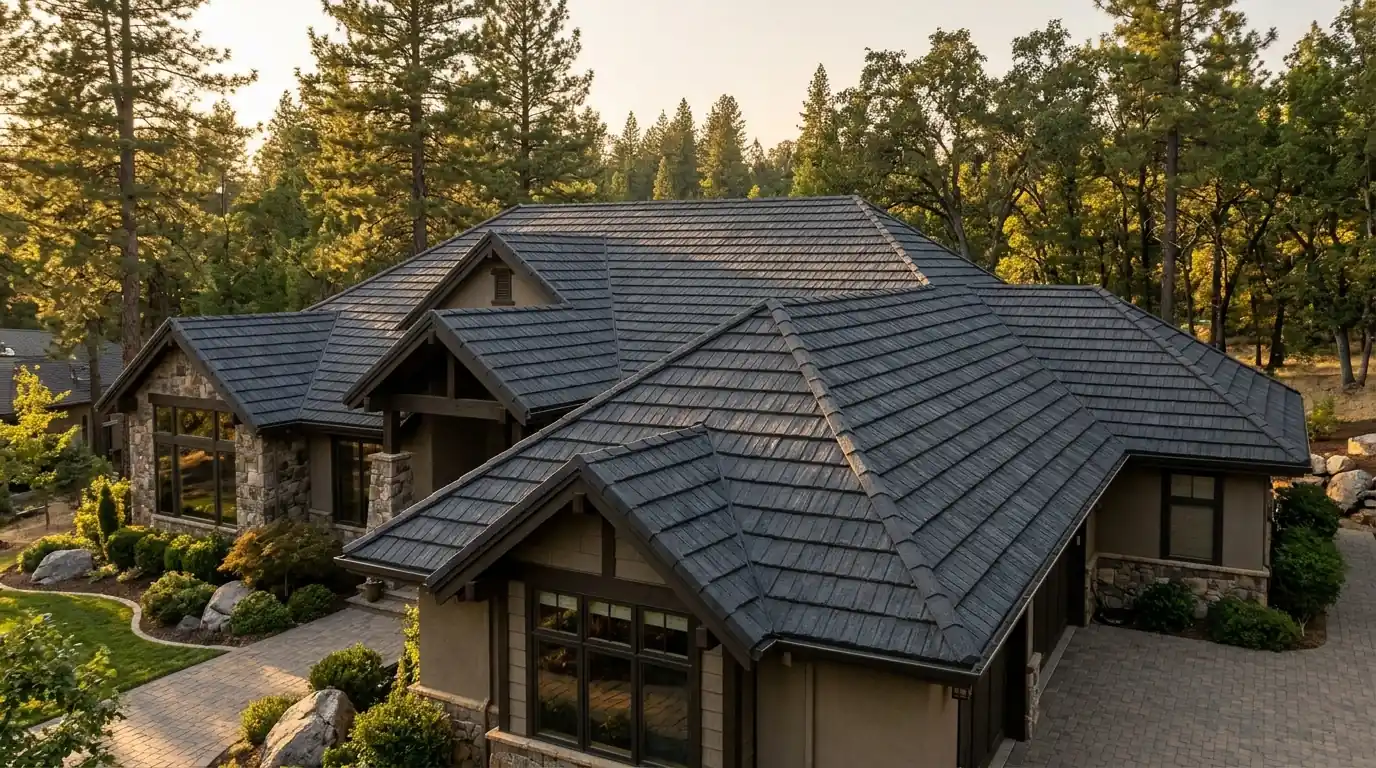
Stone-coated steel roofing is formed steel panels covered with acrylic-bound stone granules, made in shake, tile and shingle profiles. It weighs far less than concrete tile and many assemblies carry a Class A fire rating. Typical installed cost is 11.60 to 21.90 per sq ft, and most homes take 4 to 8 working days.
What this job involves
Stone-coated steel starts as galvanized or aluminum-zinc coated steel, stamped into panels that look like tile, shake or shingles. A layer of ceramic-coated stone granules is bound to the surface with acrylic resin. The granules give color, texture and protection from sun, while the steel gives strength. A typical panel covers more area than a single tile, so installation is quicker.
Homeowners ask for it when replacing wood shake, when they want to move off heavy tile, or when they are tired of replacing shingles. It costs more than asphalt and less than many premium tile systems, and in many cases it lasts much longer than shingles. Mountainside installs it over a properly prepared deck and flashes every penetration.
When stone-coated steel is a good fit
The shake profile gives a similar look with a fire-rated assembly. It is a common upgrade for foothill and Carmichael homes that must leave untreated cedar.
Older framing may not carry concrete tile again. Steel panels weigh a fraction as much, so the look can stay without structural reinforcement in many cases.
Roofs that lose granules and curl after 15 or 20 years of valley heat can be replaced with steel that does not shed or curl the same way.
Noncombustible steel with the right assembly resists embers better than wood. Many products have Class A ratings, which insurers and fire districts recognize.
Steel panels with stone surfaces handle falling limbs and occasional hail better than many shingles, though heavy impact can still dent.
The higher upfront cost pays off over decades. If you plan to move in a few years, a mid-priced shingle may make more sense.
Profiles, installation and the deck
Panels come in shake, Roman tile, barrel tile and shingle looks, each with its own color range. Installation falls into two main methods. Batten installation uses wood or metal battens fastened over the deck, creating an air gap that helps heat escape. Direct-to-deck installation fastens panels over underlayment on solid sheathing. The method depends on the manufacturer's rules, roof slope and the fire assembly you need. Either way, the deck must be sound and solid. If you have skip decking left from shake, we add plywood or OSB first. Underlayment, drip edge and valley metal go in before panels so water has more than one barrier.
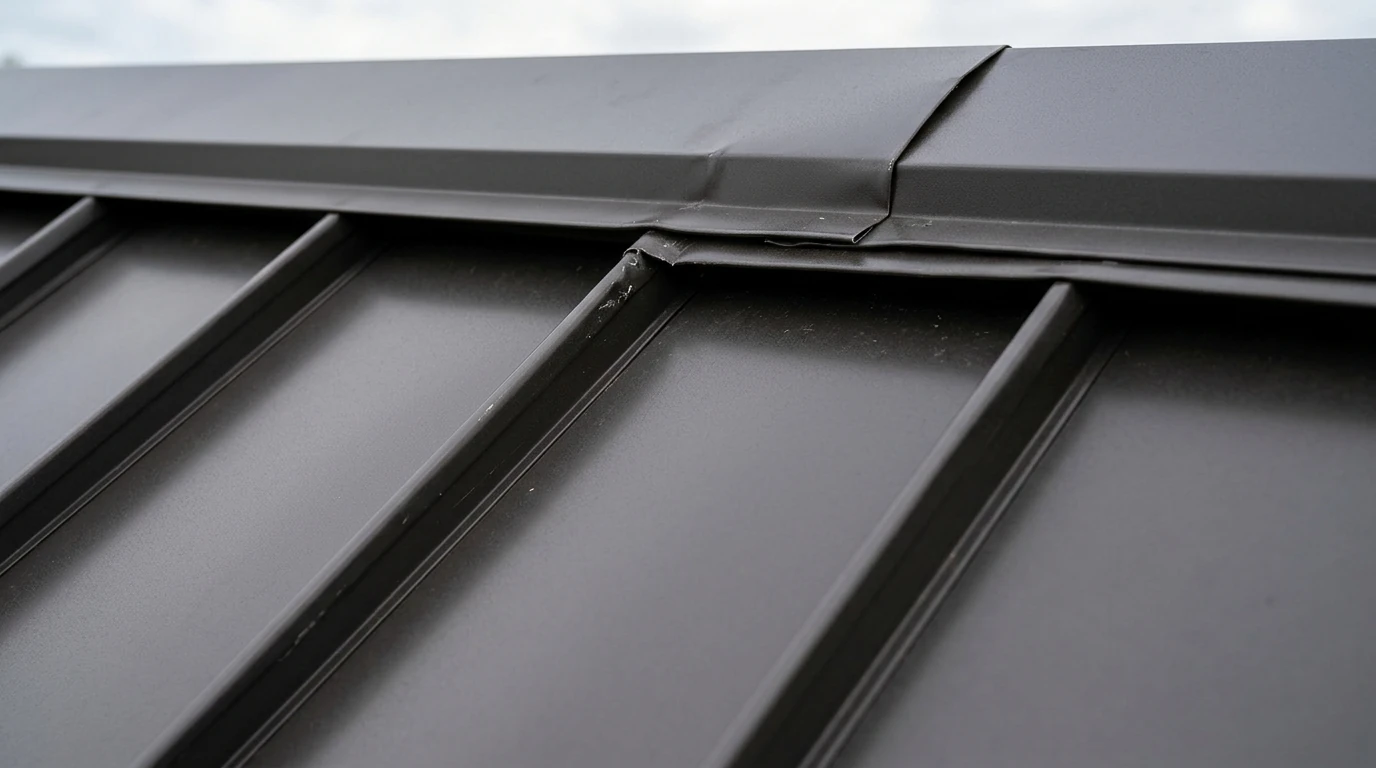
Walkability, expansion and cut edges
Stone-coated steel can be walked on if you step on the lower portion of the panel near the battens or deck support and wear soft shoes. Panels are not made for repeated foot traffic, so skylight, solar and antenna work should be planned. Steel expands and contracts with temperature, and good fastening and flashing details allow that movement without opening gaps. Corrosion usually starts at cut edges and fastener heads, where the zinc coating is exposed. Proper installation seals cut edges, uses compatible fasteners and keeps copper or other dissimilar metals from touching the panels. Coastal air matters more than valley air for corrosion, so Sacramento is a moderate case.
Cost compared with asphalt and tile
Asphalt shingles are the cheapest to install and replace most often. Concrete tile costs less per square foot in material, but weight, structural upgrades and underlayment replacement can raise the total. Stone-coated steel usually sits between them on installed price and exceeds both on expected service life. Manufacturer warranties vary by product and are often longer than shingle warranties. Resale value, energy savings and insurance treatment are secondary factors. Cool-colored granules can reflect more heat, and the batten air gap helps. We give you a side-by-side price for your roof so the comparison is not abstract.
- Asphalt shingle: lowest cost, shortest life
- Concrete tile: heavy, long life, underlayment ages first
- Stone-coated steel: light, Class A options, long life
Our process for stone-coated steel roofing
Six steps, in the order the crew does them on a Sacramento roof.
- Step 1Measure and pick a profile
We measure the roof, check slope and framing, and show samples in shake, tile and shingle looks so you can pick color and style.
- Step 2Tear off and inspect
Old roofing comes off to the deck. We check the sheathing, replace rot and add solid sheathing where skip decking is found.
- Step 3Underlayment and metal
Underlayment, drip edge, valley metal and eave details go in first, forming a water barrier under the panels.
- Step 4Set battens if required
Where the system calls for battens, we fasten them in line and at the spacing the manufacturer specifies.
- Step 5Install panels and flashings
Panels are fastened row by row from the eave, with sealed cut edges and flashings at walls, chimneys, vents and skylights.
- Step 6Ridge, cleanup and review
Ridge and hip caps go on, debris and nails are cleared, and we walk the roof with you and review care tips.
What stone-coated steel roofing costs in Sacramento
A 2,200 sq ft ranch with a shake-profile steel roof, new underlayment and ridge details often runs around 31,000 to 41,500.
- Panel profile and brand
- Batten or direct-to-deck method
- Roof pitch and number of valleys
- Deck repair and tear-off layers
Compare this job with others in the Sacramento roofing cost guide.
Sacramento conditions that matter
Sacramento summers regularly top 100 degrees, and shingles on south and west slopes take the worst of it. Stone-coated steel handles the heat well, and a batten air gap can reduce the heat reaching the attic. Winter storms bring heavy rain, so correct underlayment and flashing matter more than the panel itself. In foothill areas like Auburn and El Dorado Hills, fire-rated assemblies and ember-resistant vents may be required by local rules. Many 1990s tract homes in Elk Grove and Natomas have heavy tile, and steel is one lighter option when replacing underlayment is overdue.
Questions about stone-coated steel roofing
Is stone-coated steel roofing noisy in the rain?
Usually no. The stone granule surface and solid deck under the panels soften raindrop sound, and installs over battens with underlayment are quieter than bare metal. Sound depends on the assembly and attic insulation, so a quiet roof comes from correct installation rather than the panel alone.
How much lighter is stone-coated steel than concrete tile?
Steel panels commonly weigh around one to one and a half pounds per square foot, while concrete tile can weigh around nine or more. That is a big difference for older framing. We still check the structure, since snow load is rarely an issue here but existing sheathing and rafters matter.
Does stone-coated steel rust?
The steel has a protective zinc or aluminum-zinc coating, and the granule layer adds a barrier. Rust risk concentrates at cut edges, scratches and fasteners. Good installers seal cut edges, use the right fasteners and avoid contact with copper. Sacramento air is mild for corrosion compared with coastal areas.
Can I walk on stone-coated steel panels?
Carefully, yes. Step on the lower, supported part of the panel and wear soft-soled shoes. Avoid walking on ridges or unsupported spans. If you need frequent access for solar cleaning or HVAC service, tell us during the estimate so we can place walkways or plan access.
Is a stone-coated steel roof worth the higher cost?
It can be if you plan to stay 15 years or more, need a fire-rated roof or want a lighter alternative to tile. It costs more than shingles upfront but lasts longer and may help with insurance. If you will sell soon, a quality shingle may be the better value.
Roof leaking, peeling or baking in the sun?
Call the 24/7 line. Tell us the roof type, where the water shows up or what the coating looks like, and we will tell you what we would check first and when a crew can be there.