Getting your roof ready before solar goes on
Solar panels can outlast an old roof by a decade, which means removing and reinstalling them later. This guide covers roof age, racking penetrations and what to fix before the install.
Updated November 2026, 6 minute read
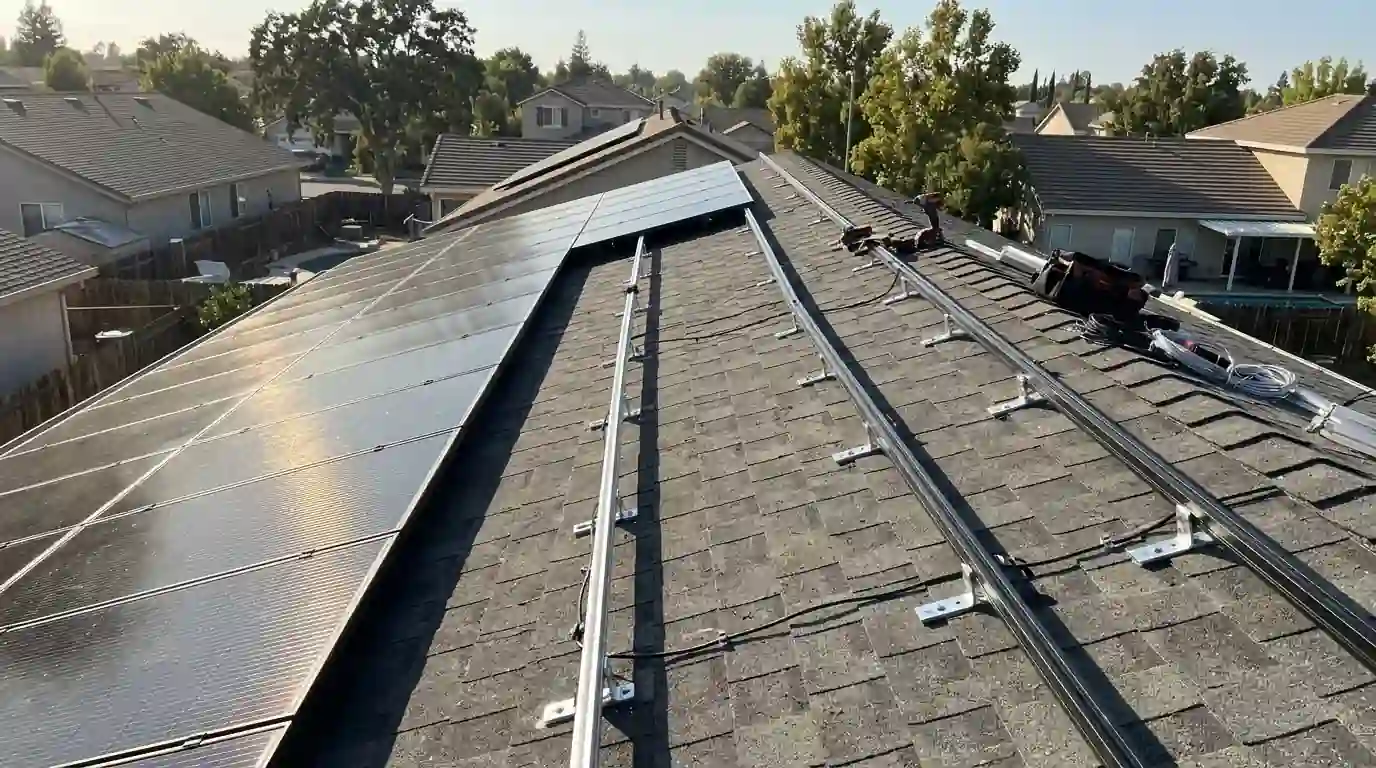
- Match roof remaining life to the 25 to 30 year panel life.
- Every racking mount is a roof penetration that must be flashed.
- Fix leaks, rot and bad flashing before panels cover the area.
- Reroofing after solar means paying to detach and reset the array.
Why roof age matters more than most people expect
Solar panels commonly carry production warranties of 25 years or more. A roof that already has 15 years on it may need replacing around year 10 of the solar system. At that point the panels have to be removed, stored, and reinstalled after the new roof is on, which adds cost and downtime. Roof age also affects the permit. Some jurisdictions and installers ask for a roof certification or inspection before solar, and a roof with obvious problems may be turned down until it is repaired.
That is why many roofers and solar installers suggest matching remaining roof life to panel life. In the Sacramento area, where SMUD net rates and solar loans make the payback attractive, it is usually cheaper to deal with an aging roof first than to pay for panel removal later. Do the math with the real numbers: roof remaining life, panel warranty and your own plans to stay in the home.
How racking attaches to the roof
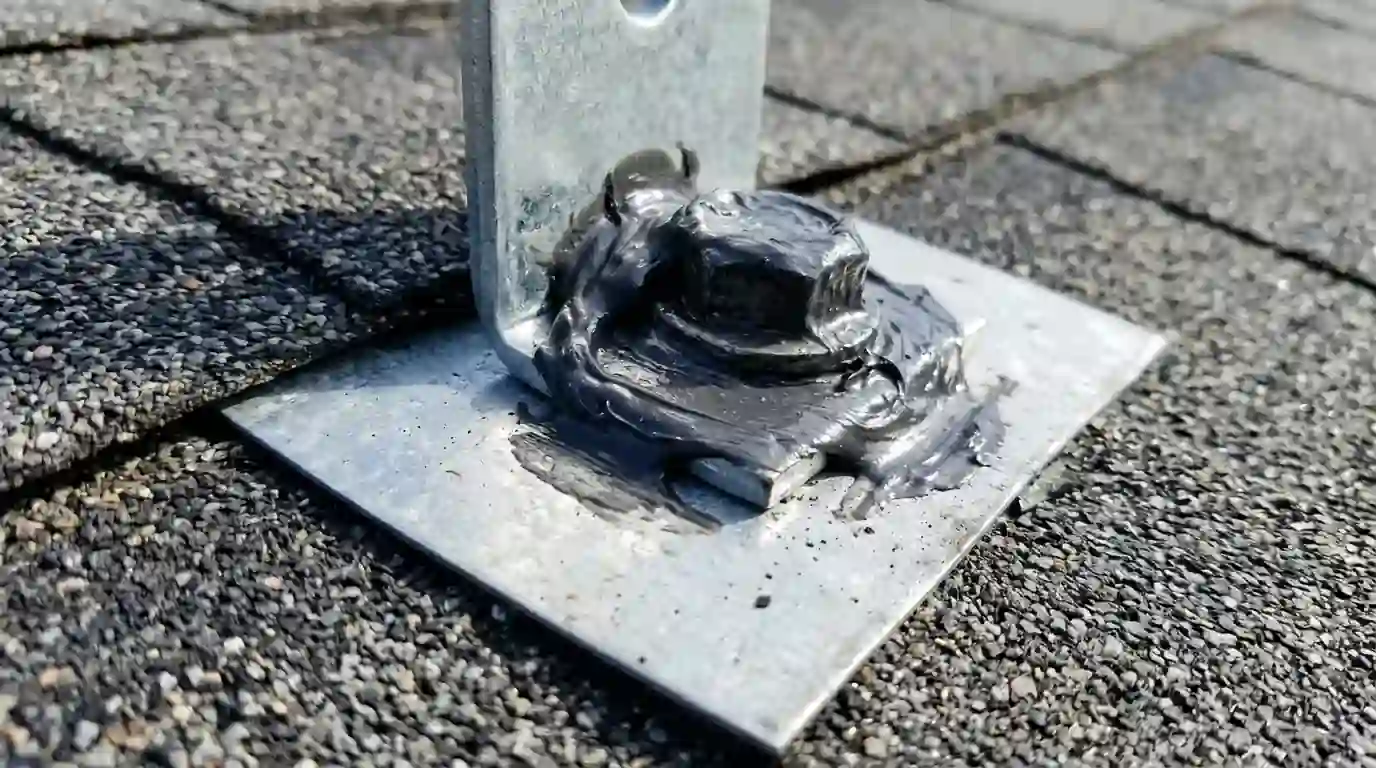
Panels sit on aluminum rails, and the rails are held on by mounts that fasten through the roof into the framing, usually with lag bolts. On a shingle roof, each mount has a flashing that slides under the shingles above it. On tile, a hook or a replacement flashed mount goes under or in place of a tile. On a shingle roof, brittle shingles can crack when installers walk on them and when mounts are slid under them. A roof that is already near the end of its life may lose several shingles per mount, and replacement shingles may not match a faded roof.
A typical residential system may have dozens of these penetrations. Each is a small leak point that has to be sealed properly and tied to rafters, not just the decking. Good flashing at each mount is far more important than the brand of the mount. On tile roofs, tile is lifted or cut at each mount, and breakage is common, so extra tile for replacements is a good idea. Foam roofs use different mounting strategies that avoid cutting through the foam where possible.
Problems to fix before panels go up
Panels hide the roof beneath them for decades, so small defects become big ones. Soft or rotted decking, failing flashing at walls and chimneys, old felt under tile and loose or curling shingles should be repaired before installation. Valleys and penetrations that must stay accessible should be rebuilt. A hidden leak under panels is hard to find, since the array covers the roof and shades it. Water can run along the underside of the rails and show up far from the source.
An inspection before design also shows how the roof is framed. Weak rafters, previous patches and areas with mixed materials affect where panels can be placed safely, and how mounts can fasten. Fire code setbacks also matter. Installers leave clear paths along ridges and edges, which means some roof area stays uncovered, and those areas need good roofing too.
- Leaks or past water stains in the attic
- Rotted or soft roof decking
- Cracked or worn flashing at walls and vents
- Aging felt under tile roofs
- Curling, brittle or missing shingles
Flat and foam roofs with solar
Flat roofs often use ballasted or sleeper-mounted racks. On a spray foam roof, penetrations are avoided where possible by using sleepers or pedestals set on pads, and any fasteners are flashed and coated into the foam. A fresh coating before installation lets the roof stay protected under the array. Some low-slope roofs use ballasted racks that rest on the roof under their own weight. Those need a roof that can carry the added load, and a membrane that can survive years of pressure points.
Because panels shade the roof, they can also reduce heat load on the roof surface, but they hold debris and shield rain from washing the coating. Leave enough space for maintenance access, and plan walkways for service. Wind uplift is a design question as well. In the Sacramento area, installers size attachments to local wind loads, and a professional design is needed to keep panels attached in storms.
Coordination and timing
The simplest sequence is roof first, solar second, with the roofer and solar installer talking to each other. Agree on mount locations, flashing type and whether the roofer or installer does the sealing at each penetration. Keep records of roof warranty terms, since a solar install can affect them if done outside the manufacturer's rules. Panels also change how water, leaves and debris move across the roof. Gutters, valleys and drains near the array need regular attention to keep things from backing up under the racks.
If panels are already on and the roof is failing, removal and reinstallation is a routine job. It is typically priced per panel, often around 85 to 190 per panel for detach and reset, plus roofing costs. These are typical ranges, and the real price comes after an inspection. Work with qualified trades is a standard expectation for permits, so ask both the roofer and installer who is responsible for each part of the work and in what order.
A short checklist before you sign a solar contract
Ask for the roof age, material and condition in writing. Ask the solar installer how many penetrations there will be and how each will be flashed. Get a roof inspection if the roof is older than about 15 years or has any leak history. Decide whether to reroof first. Ask also whether the installer will coordinate with the roofer. A single call before the job can save weeks of delay, and make sure the mounts are located where the framing is strong.
We handle the roofing side and do solar removal and reinstall as well. Keep a copy of the roof inspection and any repair invoices with your solar paperwork. If a leak shows up later, that record helps sort out which work is involved. If you are planning solar and want the roof assessed first, call Mountainside Foam & Coating at (916) 963-8097.
Questions readers ask
How many roof penetrations does a typical home solar array create?
It varies with panel count and roof type, but a residential array often has dozens of mounts, commonly spaced every few feet along each rail. Each one is a fastener through the roof, so the count is worth asking about before signing. A pre-solar roof check can also uncover cheap fixes like loose flashing that is easy to repair now and expensive to repair under panels.
Can I put solar on a roof with only 10 years of life left?
You can, but you may pay to remove and reinstall the array when the roof needs replacing. Many owners prefer to reroof first, or recoat if it is a foam or coatable roof, so the panels and roof age out together. Panels reduce the roof surface temperature below them, which can help roofing materials last, but they do not reduce the need for a sound roof.
Does a cool roof coating help or hurt solar panel output?
A reflective roof can lower temperatures under the array, and panels lose some output when hot, so a cool roof can help a little. The effect is modest and depends on rack height and airflow. It is secondary to a sound, leak-free roof. If a reroof is needed after panels are up, schedule it for the dry season and book the solar crew early, since their calendars fill up.
Roof leaking, peeling or baking in the sun?
Call the 24/7 line. Tell us the roof type, where the water shows up or what the coating looks like, and we will tell you what we would check first and when a crew can be there.